The best business and economy news from Comoros

Provided by AGP

Got News to Share?

AGP Executive Report

Your go-to archive of top headlines, summarized for quick and easy reading.

Note: These AI-generated summaries are based on news headlines, with neutral sources weighted more heavily to reduce bias.

Africa–France Dealmaking: President William Ruto opened the Africa Forward Summit in Nairobi with a push for “win-win” ties with France—built on sovereign equality and investment, not aid or extraction. Comoros Finance & Trading: In Fomboni, FX Junction released a report linking social media buzz and influencer activity to short-term stock swings and trading surges. Maritime Crime Spotlight: Sierra Leone’s opposition leader Abdulai Kargbo raised fresh alarm over alleged drug-trafficking links, pointing to a major cocaine case involving a Comoros-flagged vessel. Digital Payments in Comoros: Bitget Wallet expanded its Mastercard-powered crypto card across Africa, letting users spend via stablecoins with automatic crypto-to-fiat conversion. Regional Security Pressure: Across the wider Indian Ocean, officials warned that Hormuz tensions are worsening maritime safety and routing risks—an issue that keeps spilling into trade and shipping costs.

Maritime Crime Watch: Spain is reeling after what it calls one of Europe’s biggest cocaine seizures: the Comoros-flagged freighter Arconian was intercepted off West Africa on May 1, with about 27–30 tonnes found onboard and crew detained without bail—while investigators say the drugs were likely meant for high-speed transfers to shore. Regional Security: The same wider shipping belt is under strain as Iran seized the Chinese-linked tanker Ocean Koi near Hormuz, adding to fears of higher insurance costs and disrupted oil routes. Trade & Finance: In Comoros and across Africa, Bitget Wallet expanded its Mastercard-powered crypto card, letting users spend via stablecoins with automatic crypto-to-fiat conversion. Sports & Youth: Nigeria’s Super Falcons qualification push for LA 2028 is getting fresh attention, with officials urged to secure one of Africa’s two Olympic tickets. Business Tech: Primevex is pitching a unified multi-asset trading platform aimed at traders who want one account across stocks, forex, metals and more.

Maritime Security Push: As India chairs IORA, its Secretary-General says maritime safety is “of primordial importance” after West Asia’s war spilled into Indian Ocean shipping, with Hormuz Strait blockades and violence set to dominate talks ahead of a leaders’ summit next year. Hormuz Shipping Pressure: Iran seized the Chinese-linked tanker Ocean Koi near Hormuz on May 8, underscoring how disruptions, routing pressure, and rising costs are being used without formally closing the strait. Drug Trafficking Shock: Spain’s Guardia Civil released images after intercepting the Comoros-registered freighter Arconian off the Canary Islands—27 tonnes seized, with court details pointing to a planned high-seas speedboat handoff and a detained crew of 23. Comoros Angle in Trade & Finance: Bitget Wallet expanded its Mastercard-powered crypto card across Africa, including Comoros, letting users spend stablecoins via crypto-to-fiat conversion. Sports & Qualifiers: Nigeria’s Patience Avre-Odeli urged NSC and NFF to secure one of Africa’s two LA 2028 women’s football tickets, with a qualification path that could include Comoros in the next round.

In the past 12 hours, Comoros Business Press coverage is dominated by two high-impact maritime stories: a major anti-drug operation and a separate account of regional conflict risk at sea. Spain’s Guardia Civil detained the cargo ship Arconian in the Atlantic with a record 30 tons of cocaine onboard, with the vessel sailing under the Comoros flag and reportedly intended for Spain. The report says the ship departed Freetown (April 22) and that investigators believe it was set up as a “mother vessel” for speedboats, with fuel carried for refueling operations—details that frame the seizure as part of a broader trafficking method rather than a one-off shipment. In parallel, a Ukrainian sailor stranded in the Strait of Hormuz described missiles flying overhead and crews being ordered to bunker/hide as the US–Israel–Iran conflict escalated—underscoring how geopolitical tensions continue to translate into immediate operational danger for crews.

Between 12 and 72 hours ago, the same Hormuz incident is revisited, while other business-relevant items appear that are more routine than crisis-driven. On the commercial side, Bitget Wallet expanded availability of its crypto card across Africa, and YWO launched a 5% spread cashback program for FX pairs and metals (until May 31). There is also practical travel and compliance content (e.g., Jordan transit visa guidance and a general overview of corporate profit tax rates, including a reference point for Comoros’ corporate tax rate), suggesting the feed is mixing regional maritime risk with consumer/finance and policy explainers rather than only hard news.

Over the broader 3–7 day window, the cocaine case expands into a clearer “largest-ever” narrative in Spain, with multiple articles describing the Arconian seizure and the expected total load (reported ranges up to 30–45 tonnes in some coverage). The continuity here is important: the earlier reporting frames the ship’s route and alleged “false” destination reporting, while the most recent update confirms the record 30 tons figure and the Comoros-flag link. Separately, several articles reinforce that the Hormuz chokepoint remains constrained: coverage notes limited transit in a 24-hour window and broader shipping rerouting dynamics (including tankers shifting toward the Red Sea/Bab-el-Mandeb), which aligns with the stranded-sailor account of ongoing instability.

Finally, the week’s background coverage includes Comoros-adjacent governance and labor issues that may matter for the local business environment, though they are not tied to a single breaking event in the last 12 hours. Articles mention a Comorian health workers strike over wage inequality, and a WTO committee discussion that explicitly lists Comoros among members submitting subsidy notifications—both pointing to ongoing institutional and workforce pressures. However, compared with the maritime drug seizure and Hormuz security reporting, the older items are more supportive context than the main driver of the week’s narrative so far.

In the past 12 hours, Comoros Business Press coverage is dominated by a single, highly specific humanitarian account tied to the Strait of Hormuz: a Ukrainian sailor (and crew) stranded for more than two months describes Iranian rockets flying overhead during the late-February escalation, with missiles “literally” passing over the crew as they tried to bunker down. The report frames the incident as part of the wider US–Israeli war with Iran and notes the crew’s instruction to leave the Gulf via the Strait, underscoring how the chokepoint remains operational but dangerous amid ongoing hostilities. (Two near-identical headlines/text excerpts were provided, suggesting the same story was circulated multiple times.)

Beyond this immediate crisis reporting, the most locally relevant developments in the last 24 hours are business and travel-related. Bitget Wallet announced expansion of its crypto card across Africa, enabling spending from a self-custodial wallet at Mastercard merchants using stablecoins with crypto-to-fiat conversion at the point of sale. Separately, YWO launched a “5% spread cashback” program for qualifying FX pairs and metals trades, running until May 31, 2026. A third item focuses on Jordan transit visa rules for travelers transiting via Amman, emphasizing that many passengers can remain airside in the international transit zone without needing a transit visa.

From 24 to 72 hours ago, the coverage broadens to include regional policy and major international logistics. A Spain-related report describes what could be one of the largest cocaine seizures ever, involving the Comoros-flagged cargo ship Arconian intercepted off Gran Canaria, with authorities expecting a load in the tens of tonnes range (30–45 tonnes mentioned in the text). Another item discusses Mayotte’s tightening of birthright French nationality rules—requiring both parents to reside legally in France—explicitly linked to migration control amid pressure from Comoros. In the wider geopolitical economy, multiple articles connect the Hormuz/Red Sea disruption context to oil and trade risks, including claims about limited vessel transit through Hormuz and the broader rerouting of tankers.

Finally, older items in the 3–7 day window provide continuity on the same strategic chokepoint and its knock-on effects, but the evidence is more thematic than event-specific. Coverage includes claims that Red Sea traffic is rising as Hormuz traffic drops, and that “shadow fleet” tactics are being used to evade the US blockade by disguising tankers as Iraqi ships. There is also Comoros-linked labor coverage: a strike by contract health workers at El-Maarouf hospital in Moroni is described as centered on wage inequality and on-call premium revaluation, with unions supporting the action. Overall, the most recent evidence is strongest on the Hormuz incident narrative and on Comoros-relevant commercial announcements (crypto card expansion and FX cashback), while the larger geopolitical and trade impacts are supported mainly by earlier, more general reporting.

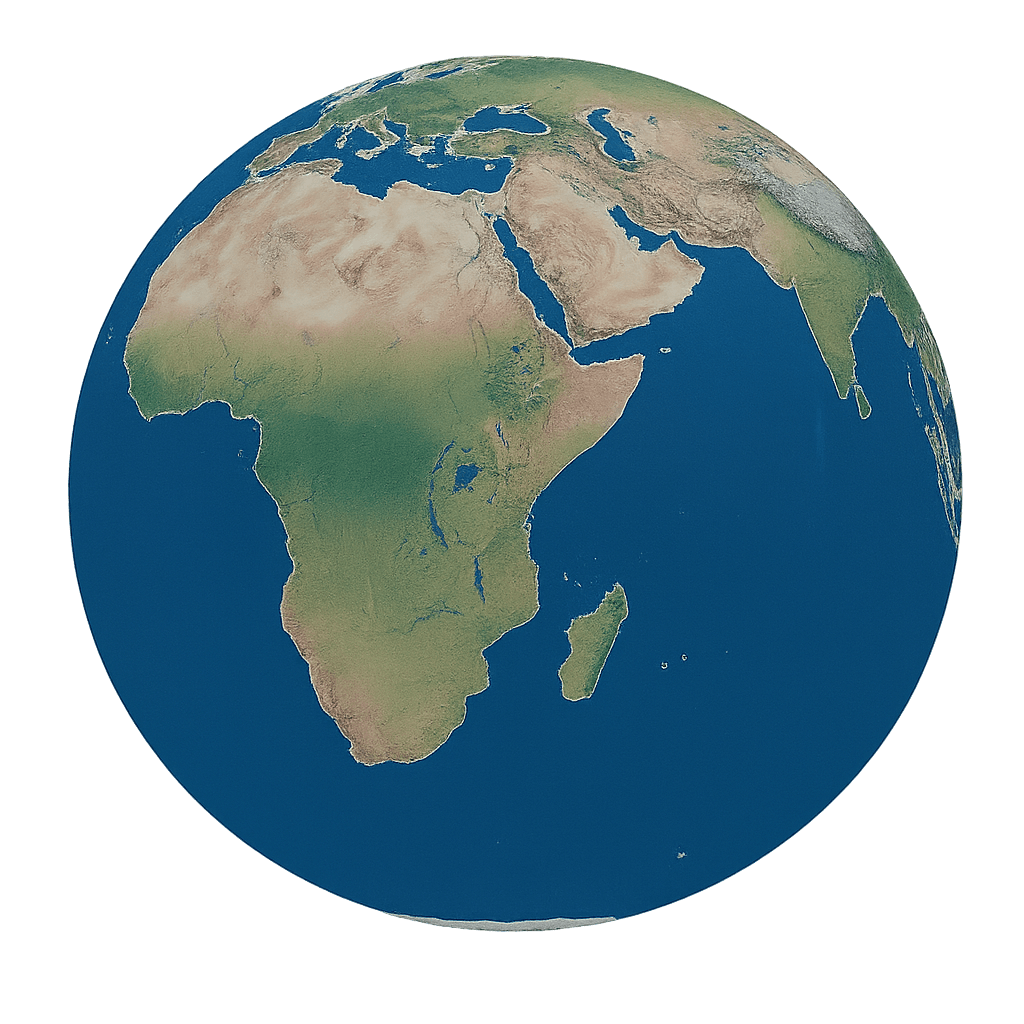
In the past 12 hours, Comoros Business Press coverage has been dominated by financial/crypto and trading-platform developments rather than local policy or macroeconomic issues. Bitget Wallet announced an expansion of its crypto card availability across Africa, describing a Mastercard-powered card that lets users spend stablecoins (USDC) via automatic crypto-to-fiat conversion at Mastercard merchants. In parallel, YWO launched a “5% spread cashback” program for FX pairs and metals, running until May 31, with cashback credited automatically after eligible trades (held open for at least five minutes) and available for withdrawal or reinvestment.

Beyond the immediate business/finance items, the broader 7-day set includes several items that indirectly touch regional economic risk and compliance. A “Current Company Profit Tax Rate” explainer places the U.S. corporate profit tax rate at 25.63% and notes Comoros at 50% in the same dataset, framing tax rates as a key variable for business planning. Separately, a WTO-related update highlights notification submission gaps affecting the Agreement on Subsidies and Countervailing Measures, explicitly listing Comoros among members whose 2025 new and full subsidy notifications were reviewed—suggesting ongoing administrative follow-through rather than a single new policy shock.

There is also continuity in coverage of geopolitical and trade-route pressures that can matter for Comoros and the wider Indian Ocean region. Multiple articles focus on shipping chokepoints and sanctions-era maritime behavior: one describes limited vessel transit through the Strait of Hormuz in a 24-hour window, while others discuss how oil and tanker traffic is being rerouted (including references to Red Sea/Bab-el-Mandeb dynamics) and how “shadow fleet” tactics may be used to evade blockades. In the same wider context, Comoros is mentioned in a World Bank-linked food-import dependency snapshot (food as 42% of goods imported), reinforcing the theme that supply-chain disruptions can translate into heightened vulnerability for import-dependent economies.

Finally, the most directly Comoros-relevant “on-the-ground” development in the 7-day range is a labor dispute: contract health workers at El-Maarouf hospital in Moroni have been on strike for nearly five hundred workers, citing wage inequality and demands including revaluation of on-call premiums and salary alignment with civil servants. This is complemented by a longer-running regional governance and mobility backdrop (e.g., Mayotte nationality rules tightening birthright conditions, justified by French authorities as migration control), but the strike is the clearest local event in the provided material.

Sign up for:

Comoros Business Press

The daily local news briefing you can trust. Every day. Subscribe now.

By signing up, you agree to our Terms & Conditions.

Share us

on your social networks:

Sign up for:

Comoros Business Press

The daily local news briefing you can trust. Every day. Subscribe now.

By signing up, you agree to our Terms & Conditions.